The Importance of Scents in Different Cultures – A Global Fragrance Journey
Scents are far more than aesthetic enjoyment – they are expressions of culture, identity, and ritual. In every region of the world, fragrance traditions have developed that are deeply intertwined with beliefs, daily life, and history. An olfactory journey around the globe shows how meaningful and diverse the use of fragrance can be.
Orient – Depth, Warmth, and Spirituality
In the Arab world, intense scents like Oud, Amber or Musk are part of cultural identity. Whether in ritual actions, hospitality, or as a sign of status – fragrance is not only worn but celebrated.
It is part of a centuries-old tradition that connects prosperity, spirituality, and community.
Asia – Harmony, Connection to Nature, and Purity
In Japan, China, and other parts of Asia, scents symbolize balance and mental clarity. Incense sticks with Sandalwood, Jasmine, or Lotus are found in spiritual ceremonies, meditation rooms, and temples.
Here, the scent is not for self-presentation but for reflection and inner peace.
Europe – Elegance, Style, and Personal Signature
In Europe, a unique fragrance culture has developed – from the courtly perfume art of France to today's niche perfumery. Here, the scent often stands for the individual: as a signature, as a stylistic device, as a daily expression of identity.
Elegance, minimalism, or opulence – the scent accompanies as a personal statement.
Africa & South America – Natural Power and Tradition
In many African and South American cultures, scents are deeply rooted in nature and ancient rituals. Resins, woods, and flowers are used for cleansing, healing, or as spiritual companions.
Scents symbolize vitality, protection, and connection to the community – strong, original, unadulterated.
Conclusion
Fragrances are universal – and yet unique in their cultural significance. They tell stories, connect people, and provide sensuality across all borders.
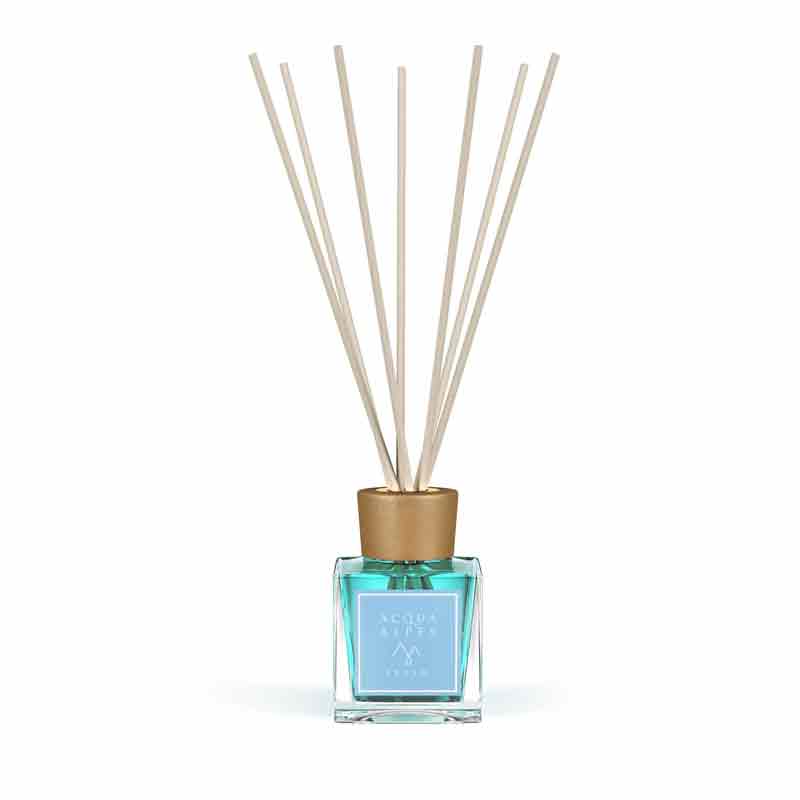
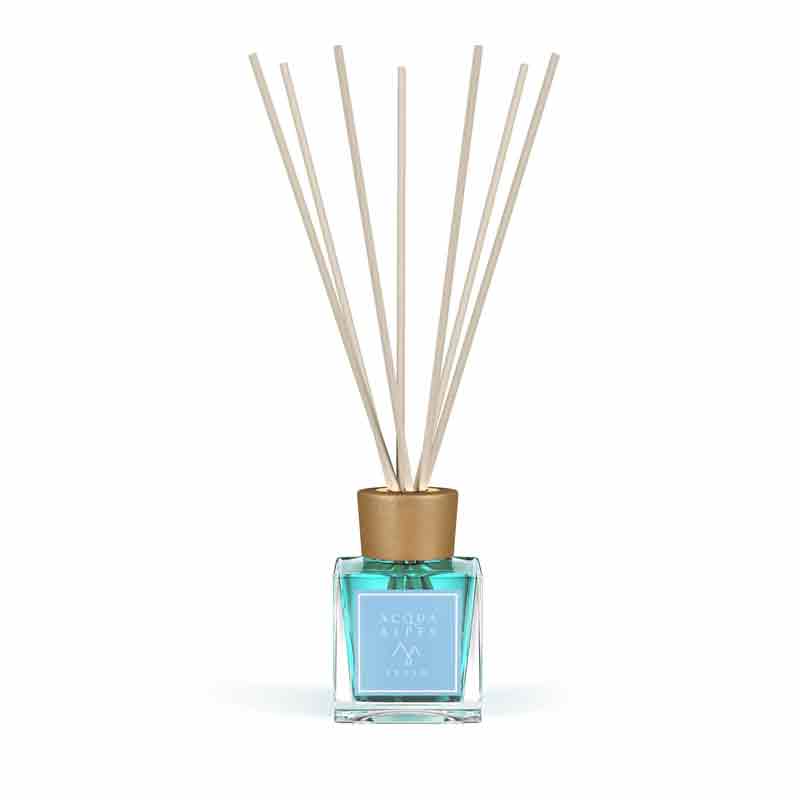
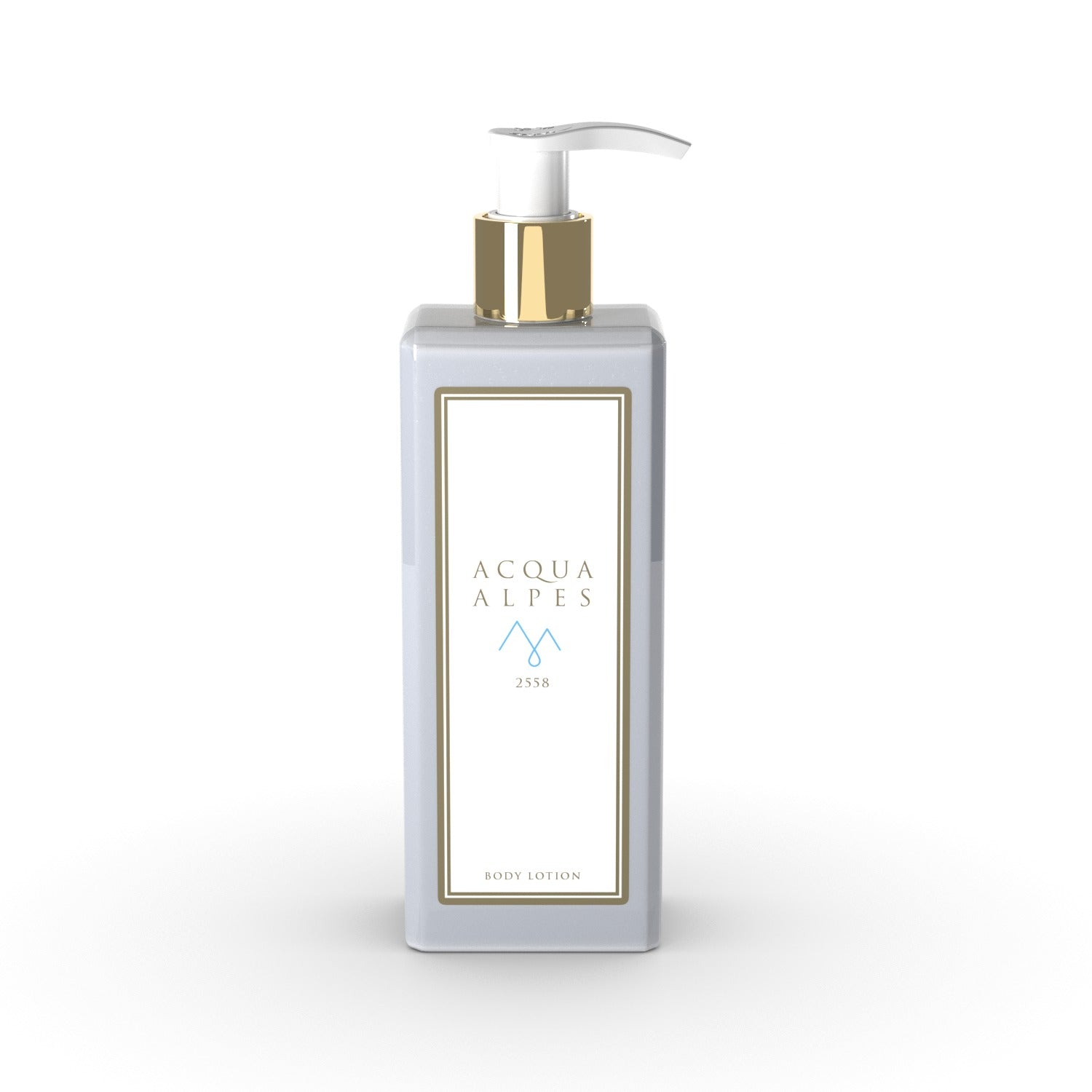
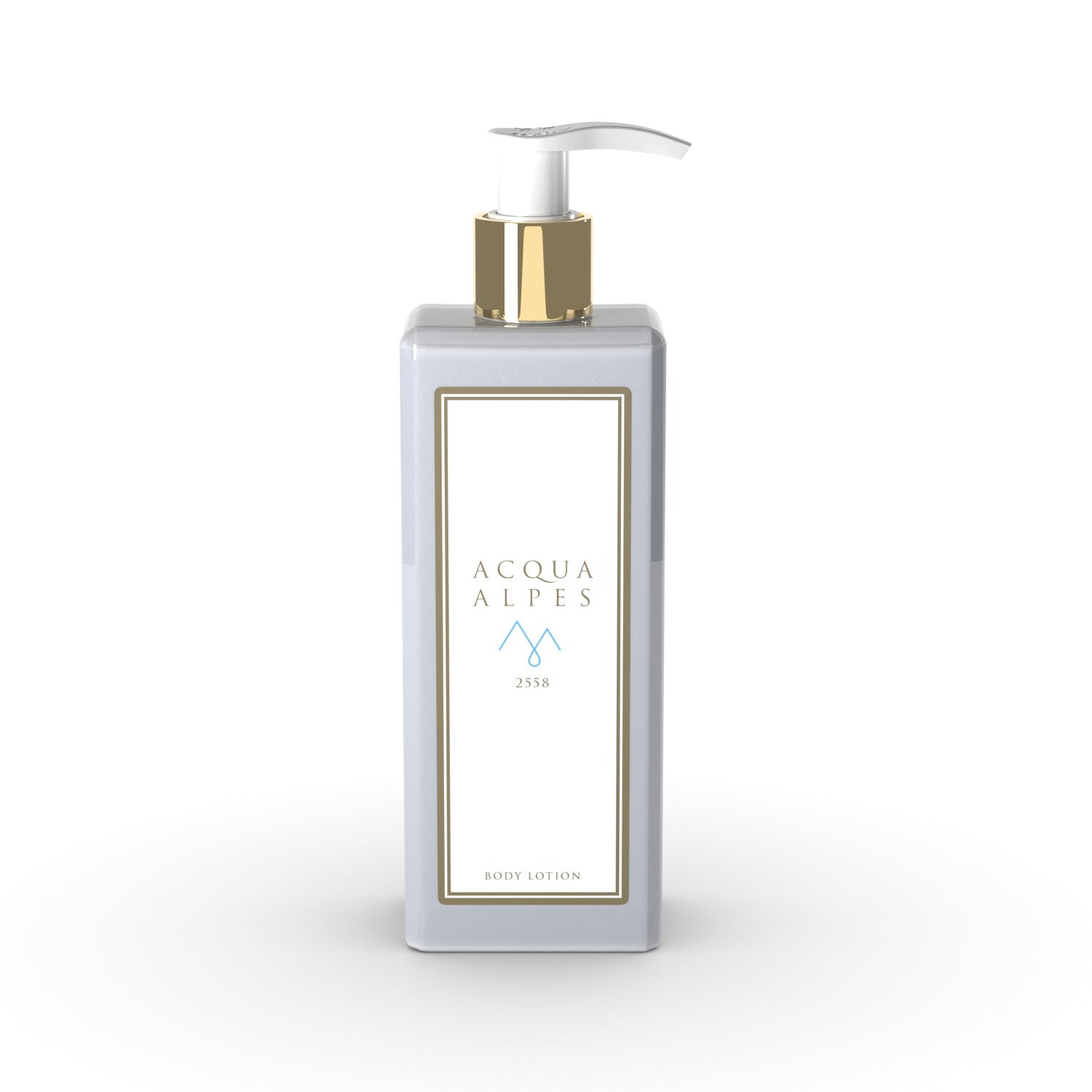
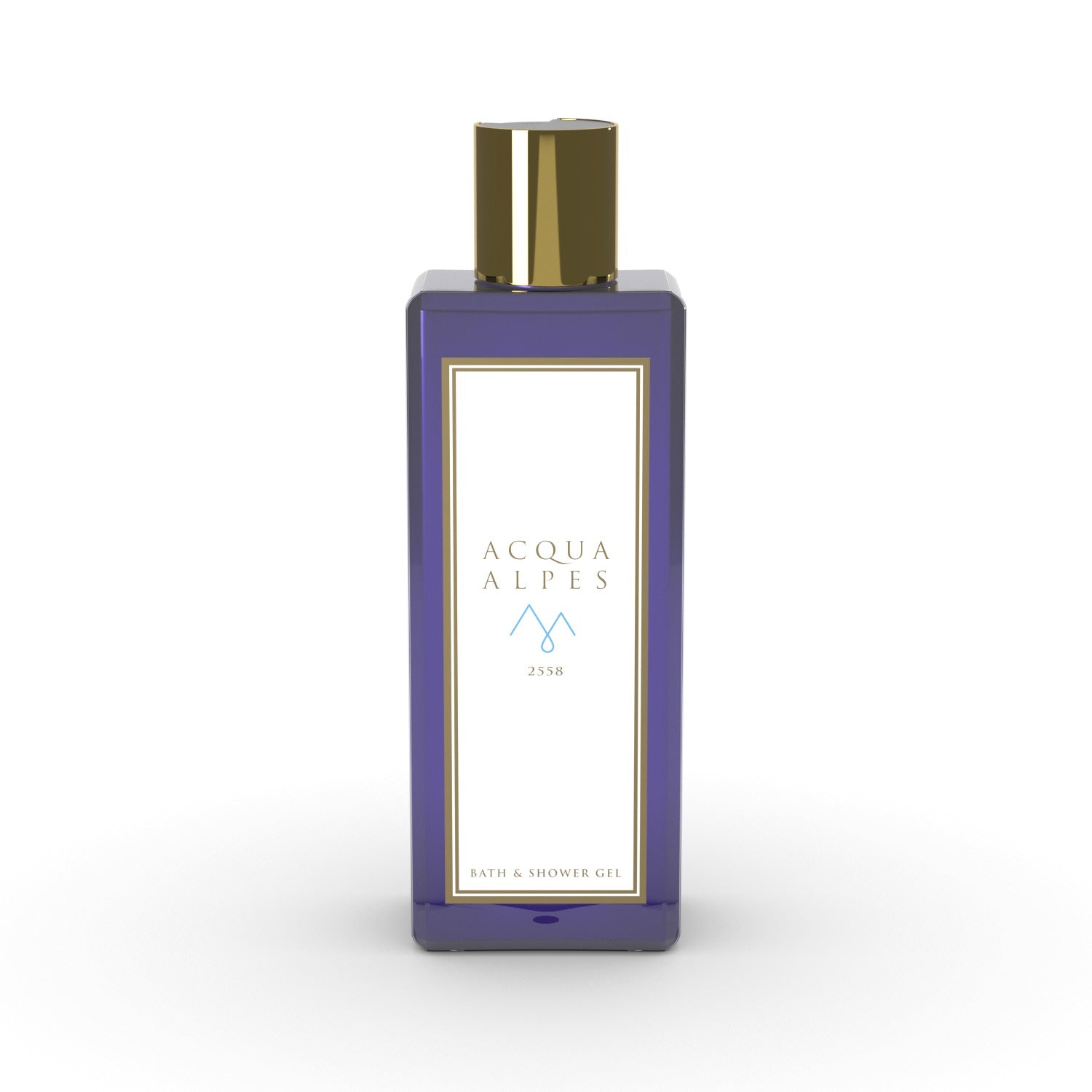
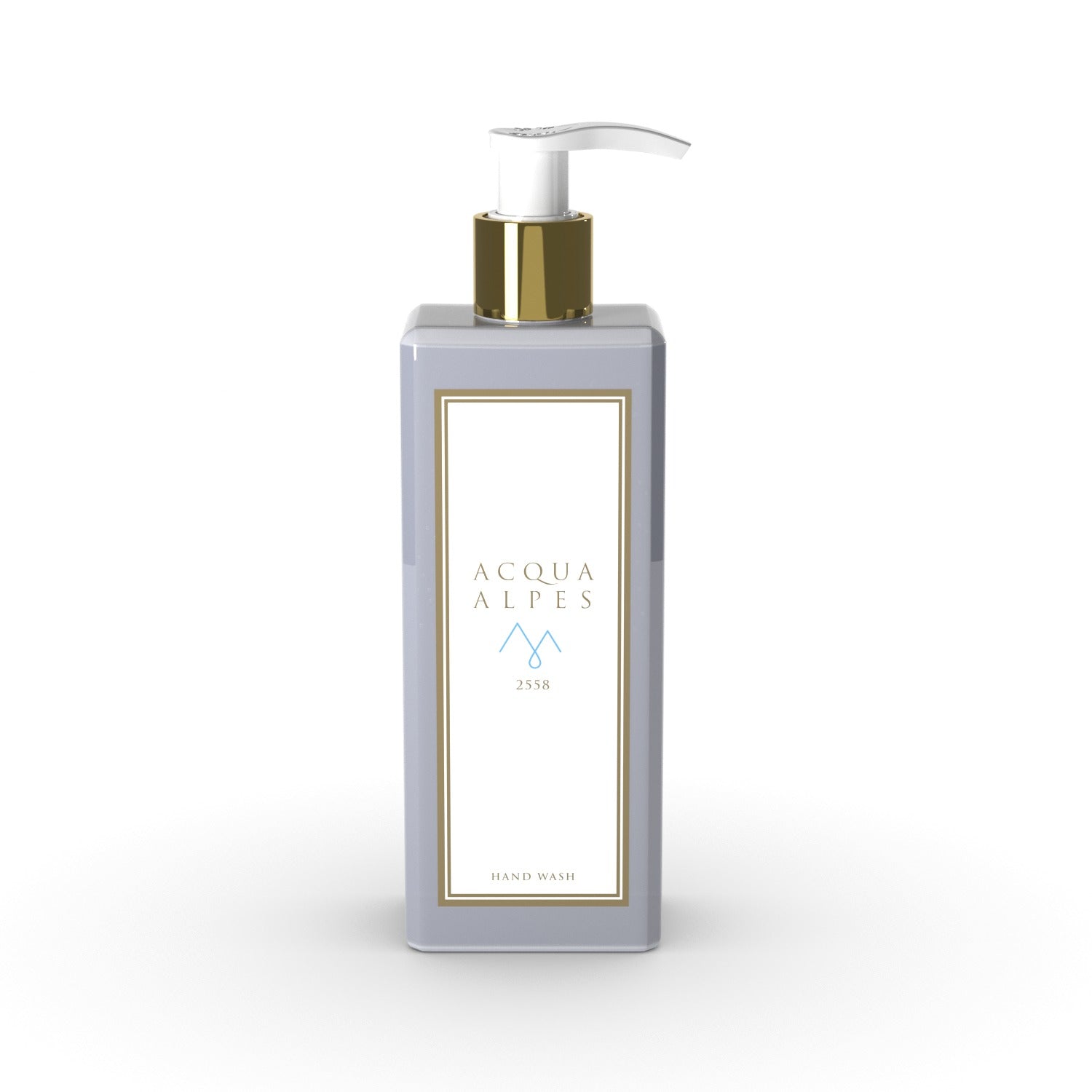
In modern perfumery – such as with Acqua Alpes – all these influences are reflected: subtle, respectful, and with a touch of alpine elegance.